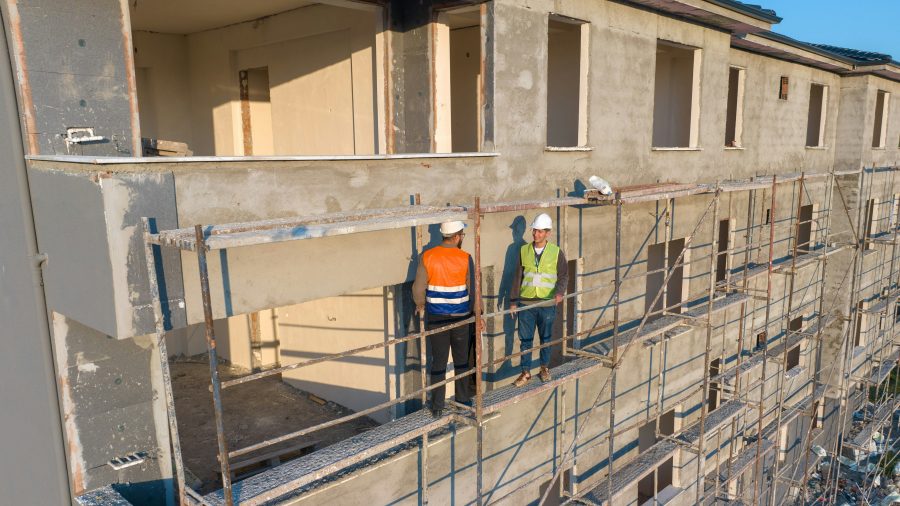
Scaffolding in Coventry: How Access Systems Support Safe Construction Work
Scaffolding tends to be invisible until it’s outside your window or blocking your usual route to work. In Coventry — a city simultaneously preserving its history and building its future — scaffolding services are a constant presence. And the work behind those metal structures is considerably more involved than it looks from the pavement.
Here’s what’s actually going on.
Why Scaffolding Does More Than People Realise
The basic function is straightforward, provide safe access to height. But a well-designed scaffold also creates stable working platforms, allows materials to move efficiently up and across a building, reduces fall risk for workers, and keeps the whole operation within UK legal requirements.
In a city with Coventry’s range of building stock — modern apartments, older brick terraces, commercial high-rises, genuinely historic structures — that flexibility matters. There’s no standard scaffold that fits every job. The system has to adapt to the building, not the other way around.
Coventry’s Built Environment Creates Real Complexity
Tight residential streets in older districts leave minimal room for equipment and vehicles. Busy commercial zones need pedestrian walkways maintained throughout the project. High-rise modern developments require different systems entirely from a two-storey terrace repair. Historic buildings demand careful handling that rules out approaches fine elsewhere.
Each of these environments changes how scaffolding Coventry contractors design and install their structures. A suburban home repair might need only basic supported scaffolding. A city centre commercial project might require traffic management, council permits, carefully timed installation windows, and coordination with multiple other trades on the same site — all running simultaneously.
The Systems in Use
Traditional tube and fitting scaffolding handles irregular building shapes and restricted access points that modular systems can’t accommodate easily. Prefabricated modular systems install faster and suit larger commercial sites where efficiency drives the timeline. Suspended platforms cover high-rise facade work where ground support isn’t practical. Compact mobile towers handle shorter interior tasks or small exterior repairs where full erection would be disproportionate.
Choosing wrong costs time and money. Experienced contractors assess site conditions first and specify accordingly — not the other way around.
Planning Is Where Projects Succeed or Fail
Nothing should go up without proper groundwork. Ground stability, building height and structure, access routes for equipment, nearby pedestrians and traffic, wind exposure — all of it feeds into a design that balances safety, practicality, and efficiency.
Skipping or rushing this stage is where most scaffolding problems actually originate. Not during installation. Not during use. In the planning — or the lack of it.
What the Regulations Require
UK working at height legislation is strict, and Coventry sites are no exception. Load-bearing limits for every platform, fall prevention systems, secure anchoring into buildings, regular inspection schedules, proper workforce training — these are legal requirements, not optional safety features.
The inspection schedule is particularly worth understanding. Scaffolds need checking before first use, after significant weather, at regular intervals during the project, and following any structural modifications. Professional scaffolding Coventry contractors build this into their process as standard. Companies that don’t are creating liability that surfaces eventually.
The Practical Challenges on Site
Limited working space in older Coventry streets means vehicles and equipment need careful management — sometimes requiring staging deliveries rather than bringing everything at once. Public access requirements mean safe pedestrian routes have to be maintained throughout, not just at the start.
Weather disrupts timelines. Wind and heavy rain affect both installation schedules and structural safety requirements. Project coordination with other trades — bricklayers, roofers, window installers all working on the same building — requires communication that doesn’t leave much room for poor planning.
No two Coventry projects are identical. The contractors who handle this consistently well tend to have experienced site managers who’ve dealt with these variables before.
What Shapes the Cost
Height, scale, duration, access complexity, urban restrictions, permits — all of these feed into pricing. City centre Coventry projects typically sit at the higher end because the logistical requirements are genuinely greater.
Quotes significantly below market rate deserve careful scrutiny. The question is always what’s been left out — whether that’s adequate insurance, properly certified workers, or the inspection schedule that’s legally required but easy to skip if nobody’s checking.
How Technology Is Changing Things
Digital design modelling catches problems before installation begins. Mobile inspection reporting tools have replaced paper-based systems on serious sites. Better materials have reduced weight without sacrificing structural integrity. These improvements have raised the baseline standard of what professional scaffolding operations deliver as routine.
They haven’t replaced experience and judgement. But they’ve made competent companies considerably more accurate and efficient than they were ten years ago.
Choosing a Provider
Safety record — verifiable, not self-declared. Experience with comparable project types. Current certification. Proper insurance. The ability to manage Coventry’s urban environment without treating it as an exceptional challenge.
The right scaffolding company answers those questions clearly and quickly. They’ve done it before, and it shows.
Share It on :