The carbon footprint of your food: why choosing sustainable dairy makes a difference
Every meal you eat leaves a mark on the planet, and dairy is one of the most discussed categories when it comes to environmental impact. But here is the thing: not all dairy is created equal. As autumn settles in across Europe this September, with harvest season in full swing and sustainability conversations louder than ever, it is the perfect moment to take a closer look at what is actually on your plate. The carbon footprint of food is not just a number on a label. It is the result of farming practices, supply chains, animal welfare standards, and the choices made long before the product reaches your kitchen. Understanding this can genuinely change the way you shop and eat.
What makes dairy production so carbon-intensive?
Dairy farming contributes to greenhouse gas emissions in several ways. Methane from livestock digestion, nitrous oxide from manure management, and carbon dioxide from energy use on farms all play a role. According to the Food and Agriculture Organization of the United Nations, the global dairy sector accounts for roughly four percent of total global greenhouse gas emissions. That sounds significant, and it is, but it also means there is enormous room for improvement depending on how dairy is produced. The gap between a conventionally run industrial dairy operation and a small-scale, pasture-based farm can be staggering in terms of emissions per kilogram of product. Geography, feed sourcing, herd management, and land use all feed into the final figure.
The case for pasture-based and small-scale dairy farming
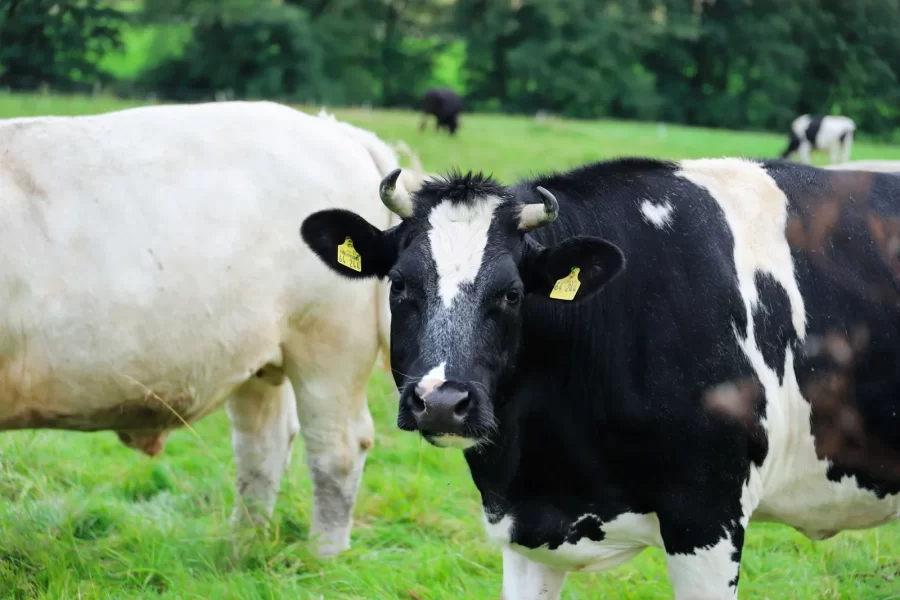
Here is an angle that rarely gets enough attention: well-managed grasslands used for grazing can actually sequester carbon. When cows graze on diverse, permanent pastures, the root systems of the grass store carbon in the soil. This does not cancel out all dairy emissions, but it does mean that pasture-based farming systems have a fundamentally different relationship with the land compared to intensive operations where animals are kept indoors and fed imported feed. Small-scale farms that prioritise animal welfare, local feed sourcing, and seasonal production rhythms tend to have a lower net environmental impact. The carbon footprint of dairy is not fixed. It is shaped by every decision a farmer makes throughout the year.
Shorter supply chains reduce hidden emissions
One of the most overlooked contributors to food-related carbon emissions is transportation. A wheel of cheese that travels thousands of kilometres before reaching a shop shelf carries far more embedded emissions than one produced and distributed regionally. Choosing dairy products from suppliers who work directly with local or regional producers is one of the most practical steps a consumer can take. A cheese supplier Remijn that maintains close relationships with its producers and prioritises quality over volume is a very different proposition from a large-scale distributor moving product across continents. Proximity matters, and so does transparency about where the milk actually comes from.
How your purchasing choices shape the market
Consumer demand is one of the most powerful forces in the food system. When people consistently choose dairy products from farms with lower environmental footprints, they send a clear signal to producers, retailers, and the wider industry. This is not about perfection or eliminating dairy entirely. It is about making more informed decisions more often. Asking questions like where was this made, how were the animals raised, and how far did this travel before reaching me can shift purchasing habits in ways that accumulate into real market change. Seasonal buying also plays a role. Dairy produced during peak grazing months often has a lower footprint than products manufactured during periods when animals rely heavily on stored or imported feed.
Making sustainable dairy a habit, not an exception
Sustainable eating does not have to be complicated or expensive. It starts with curiosity and a willingness to look slightly beyond the surface of what is on offer. Seek out producers and suppliers who are open about their sourcing, who work with farms that prioritise land health, and who keep their supply chains as short as possible. As the days shorten and autumn produce fills the markets, it is a natural time to reconnect with where food comes from and what it costs the planet to get there. Choosing dairy with a lower carbon footprint is one of the most tangible ways to align your everyday habits with the kind of food system most people say they want to see. Start with one product, ask one question, and build from there.
Contributed content: this article was written by a third-party contributor and does not necessarily reflect the views of FI Tariffs.
Share It on :