How Hybrid Power Systems Can Reduce Fuel Use on Temporary Sites
Temporary power is essential across construction, events, film production, rail work, utilities, and emergency projects. For years, diesel generators have been the standard choice because they are portable and dependable. However, relying on a generator alone can lead to unnecessary fuel use, noise, emissions, and operating costs. Hybrid power systems offer a smarter alternative. By combining battery energy storage with a generator or mains connection, businesses can match power supply more closely to actual demand. This can make temporary operations more efficient without compromising reliability.
Why Diesel Generators Often Run Inefficiently
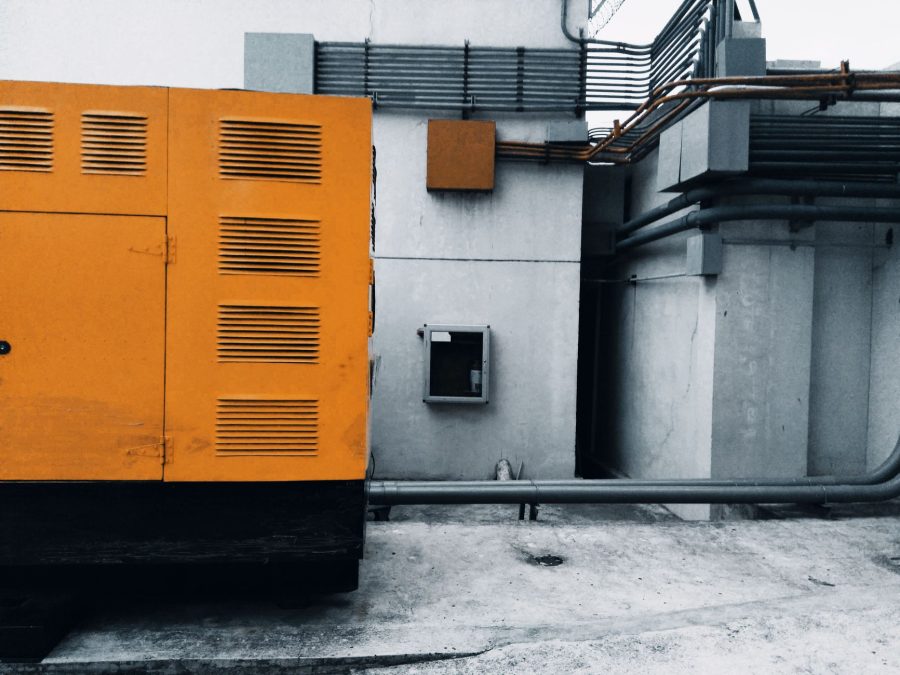
A generator is usually selected to handle the highest possible power demand on site. Yet that peak demand may occur only occasionally. For much of the day, the generator may be running well below its ideal load. This means fuel is still being used even when the site only needs a small amount of electricity for lighting, security systems, charging equipment, or basic welfare facilities. Low-load operation can also increase noise and lead to more frequent maintenance requirements. A hybrid system helps address this issue by allowing a battery to manage periods of lower demand. The generator can run when it is needed most, rather than continuously.
How Hybrid Power Systems Work
A hybrid power setup typically combines a battery energy storage system with a diesel generator, renewable energy source, or mains electricity supply. The battery stores electricity when it is available and releases it when the site needs power.
Managing Changing Power Demand
Power demand on a temporary site is rarely constant. A construction project may need high output while machinery is in use, followed by much lower demand overnight. A film location may have short periods of intense activity followed by long intervals where only essential equipment remains switched on. A battery energy storage system can respond quickly to these changes. It can supply power during quieter periods and support the generator during busier ones. This can reduce generator runtime and avoid running it solely to cover small loads.
Reducing Noise and Emissions
Noise is a major concern on sites close to homes, hospitals, schools, or public spaces. A battery can provide quieter power when a generator would otherwise need to stay running, particularly overnight. Lower generator use can also reduce local emissions and fuel consumption. This is useful for organisations working towards environmental targets or seeking to meet increasingly strict client and planning requirements.
Supporting Reliable Site Operations
Hybrid power is not simply about reducing fuel use. It can also improve resilience. If site demand rises suddenly, the battery can provide immediate support while the generator responds. This can help avoid disruptions and support equipment that needs a stable supply. The right system size depends on the site’s typical load, peak demand, operating hours, and available connections. A professional assessment can help ensure the system is matched to real-world conditions rather than estimated too broadly.
Where Hybrid Power Can Make the Biggest Difference
Hybrid systems can be useful across many sectors, but they are especially valuable where sites have variable demand or need to manage noise and emissions carefully. Construction sites may use them to support cabins, lighting, cranes, and tools. Event organisers can use them to reduce generator noise around audiences and nearby communities. Utilities and rail projects can benefit from flexible power in remote locations. They can also support EV charging, telecoms infrastructure, and temporary healthcare facilities. For businesses exploring battery-based and hybrid power options, Power Saving Solutions provides commercial systems designed to help reduce fuel costs, emissions, and generator operating time across a range of applications.
Steps to Take Before Choosing a System
The first step is to understand how and when a site uses electricity. Record the base load, peak load, operating hours, and any equipment that must remain powered around the clock. Next, consider the practical conditions. Is the site close to residential areas? Does it have access to mains power? Will the project last days, weeks, or months? Is there a requirement to reduce carbon emissions or report fuel use? This information helps determine whether a battery, a hybrid generator, or a larger energy storage system is most appropriate. It can also reveal simple changes that reduce energy use before new equipment is introduced.
FAQ
Can a hybrid power system replace a generator completely?
In some situations, yes, particularly where electricity demand is low or mains and renewable power are available. On many temporary sites, the battery works alongside a generator to reduce how often it needs to run.
Are hybrid power systems suitable for small projects?
Yes. Smaller sites can benefit from battery storage when they need quiet, efficient power for lighting, charging, welfare units, or security equipment.
How do batteries help reduce fuel costs?
They store energy and supply it during low-demand periods, so the generator does not need to operate continuously at an inefficient load.
Can hybrid systems be used in remote locations?
Yes. They are often used where grid connections are unavailable or impractical, helping sites manage temporary power more efficiently.
Conclusion
Hybrid power systems give temporary sites a more flexible way to meet their energy needs. By combining battery storage with conventional generation, businesses can reduce fuel use, lower noise, cut emissions, and maintain dependable power where it matters most.
Share It on :