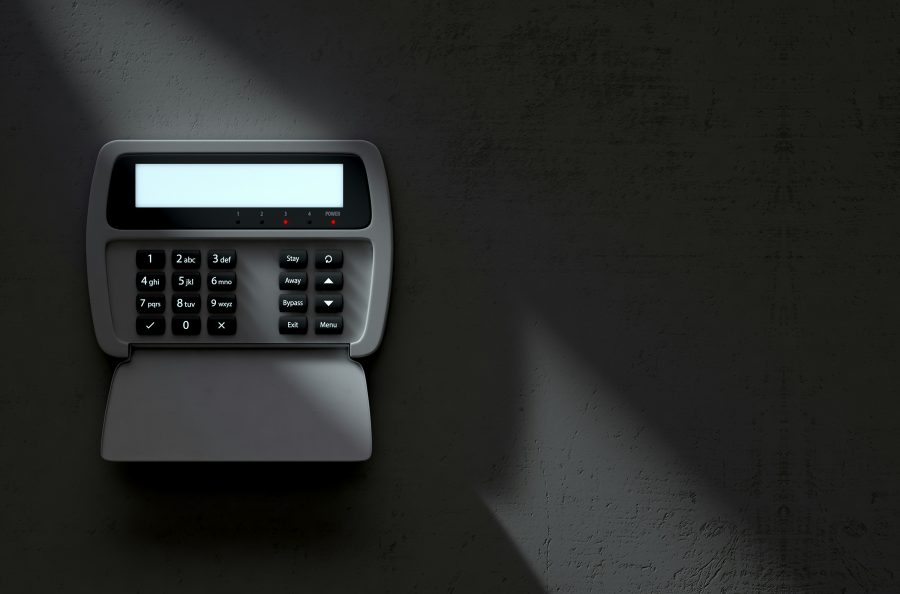
Intruder Alarms Cheltenham: A Practical Guide to Modern Home and Business Security
Property values keep climbing in Cheltenham, lifestyles keep changing, and somewhere along the way security stopped being a “nice to have” and became something most people just expect. Intruder detection tech has moved on a lot too — smarter, faster to respond, more flexible than the basic box-on-the-wall setups from a decade ago.
Understanding how intruder alarms Cheltenham systems actually work — and what separates a decent setup from a genuinely good one — makes a real difference when it comes to balancing safety, convenience, and cost. So what’s actually changed, and what should property owners be thinking about?
Beyond the siren
Alarms used to mean one thing: detect entry, make noise. That’s still the foundation, but modern systems do considerably more.
Think motion detectors using infrared or microwave tech, door and window contact sensors, smartphone-based remote monitoring, integration with CCTV and smart home devices, and professional monitoring services that actually respond when something triggers. The shift here is toward proactive — security solutions Cheltenham residents use now aim to deter trouble before it escalates, rather than just documenting it afterward.
The main system types
Wired systems run through cables installed in the building. Reliable, minimal interference, less battery-dependent — genuinely solid for new builds or major renovations where the walls are open anyway. The downside is installation disruption, and changing the layout later isn’t simple.
Wireless systems use radio signals between sensors and control panels instead. Quicker to install, easier to expand or reconfigure — works well for existing homes or rented properties where ripping into walls isn’t an option. The trade-offs are battery life and occasional signal interference, depending on the property.
Hybrid systems combine both — wired where it makes sense, wireless where flexibility matters more. Common in larger properties or commercial premises where different zones genuinely need different approaches.
What actually determines how well a system performs
Property size and layout matter first. A small flat might need very little — a couple of sensors, basic coverage. Larger homes or commercial buildings often need multiple sensors, zoned protection, and external deterrents like sirens or floodlights.
Monitoring approach is another big factor. Self-monitored systems send alerts straight to your phone. App-based monitoring offers real-time notifications with remote access. Professional monitoring means an actual security centre responds around the clock. Each comes with a different speed of response — and different costs.
And integration’s increasingly the norm rather than the exception. Security systems Cheltenham users tend to prefer now combine alarms with CCTV, smart locks, video doorbells, and lighting automation — all of which genuinely improves both awareness and deterrence when it’s set up properly.
What you actually get from a good system
Crime deterrence is the obvious one — visible alarm boxes and motion-activated lighting put off a lot of opportunistic intrusion before it even starts.
Faster response matters too. Monitored systems get help moving quicker than unmonitored ones — which can genuinely limit how much damage or loss occurs if something does happen.
There’s an insurance angle as well — many insurers offer lower premiums for properties with professionally installed alarms, particularly ones meeting recognised standards. Worth checking, honestly, since it can offset some of the cost.
And then there’s just… peace of mind. Hard to quantify, but real — knowing the property’s covered lets people get on with their day without that low-level background worry.
The trade-offs worth knowing about
False alarms remain a genuine annoyance — poorly installed or overly sensitive systems can trigger on pets, weather, or simple user error, and that erodes trust in the system fast.
Maintenance matters too. Sensors, batteries, software updates — neglect these and reliability drops over time, often without anyone noticing until it actually matters.
Cost varies enormously. Basic setups are affordable; add monitoring and integration and the numbers climb, both upfront and ongoing.
And anything connected to cloud services or cameras raises privacy questions — data security matters, and choosing reputable providers with secure configurations isn’t optional, really.
Where things are heading
Smart home integration keeps growing — voice assistants, smart hubs, full control from a phone, all increasingly standard rather than premium add-ons.
AI’s making a real difference too — distinguishing between a cat walking past and an actual intruder, which cuts down false alarms considerably.
Cloud-based monitoring means reviewing alerts, footage, and activity logs from anywhere — genuinely useful for anyone who travels or manages multiple properties.
And there’s a broader shift away from one-size-fits-all toward tailored setups — customers increasingly expect systems designed around their specific property and risk profile, not a generic package.
Figuring out what fits your situation
Choosing the right security solutions Cheltenham properties actually need comes down to a few things: property type (residential, commercial, mixed-use), risk level in the surrounding area, budget for both installation and ongoing monitoring, whether smart home integration matters to you, and whether self-monitoring or professional support fits better.
A professional assessment often helps too — spotting things like poorly lit entry points, weak doors, or blind spots that might not be obvious otherwise. For anyone exploring providers and options, looking into intruder alarms cheltenham offers a useful sense of what’s typically available for different property types.
How this plays out in practice
A semi-detached home might run a wireless system with door sensors, motion detectors, and app alerts — paired with smart lighting to deter intruders when nobody’s home.
A small shop might combine alarms with CCTV and professional monitoring, so after-hours alerts get a fast response regardless of when they happen.
A larger commercial site — office building, warehouse — often needs a hybrid setup with multiple zones, perimeter detection, and centralised monitoring across several access points.
Wrapping up
Intruder alarms have come a long way from simple sirens — they’re genuinely sophisticated now, and in a town like Cheltenham where both residential and commercial properties keep expanding, that reliability matters more than ever.
No system’s perfect, and trade-offs exist regardless of what you choose. But well-planned intruder alarms Cheltenham installations genuinely reduce risk and improve overall safety. And as the technology keeps advancing, security systems Cheltenham users adopt will likely keep getting smarter and more responsive — which, honestly, can only be a good thing for anyone trying to keep a property safe.
Share It on :