Cheltenham Landscaping: Creating Functional, Attractive, and Sustainable Outdoor Spaces
Cheltenham’s outdoor spaces reflect the town itself — varied, characterful, and shaped by a mix of architectural heritage and modern expectations. Regency properties with formal garden traditions, Victorian suburbs with generous plots, compact town centre courtyards, rural properties where the countryside begins just beyond the boundary. Cheltenham landscaping done well accounts for that variety rather than applying a standard solution regardless of context.
Why the Planning Stage Matters Most
Every landscaping decision traces back to how clearly the objectives were defined at the start. Improving outdoor functionality, enhancing visual appeal, supporting local wildlife, managing drainage, creating privacy — these aren’t automatically compatible, and the trade-offs between them shape every design choice that follows.
Property size and shape define what’s possible. Smaller town gardens benefit from multi-purpose features, vertical planting, defined seating areas, and space-efficient storage. Larger plots accommodate extensive planting schemes, outdoor entertainment zones, water features, and multiple sections with distinct purposes. What works in one context is often wrong for the other.
Soil quality and drainage behaviour need honest assessment early. Poor drainage creates waterlogged lawns and damaged planting that’s expensive to fix after the fact. Ground levels, water flow patterns, existing vegetation — addressing these during planning avoids the costly modifications that follow from ignoring them.
Hard and Soft Landscaping: Finding the Balance
Hard landscaping — patios, driveways, walls, decking, paving, fencing — provides durability, immediate visual impact, and improved accessibility. Long lifespan, reduced maintenance in certain areas, defined outdoor living space. The drawbacks are real too: higher installation costs, limited flexibility once constructed, and genuine drainage risk if the design doesn’t account for water movement properly.
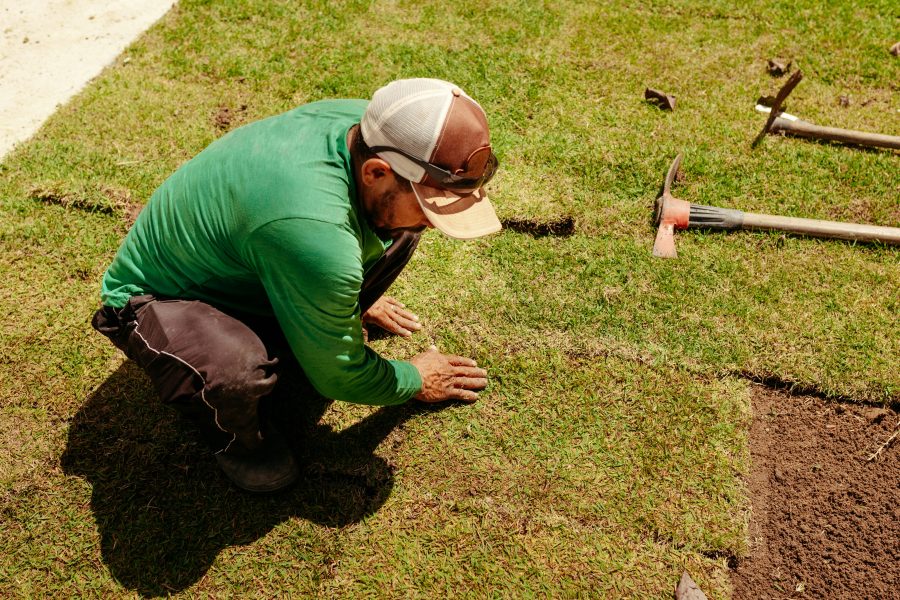
Soft landscaping — lawns, trees, shrubs, flower beds, hedges — supports biodiversity, provides seasonal variation, and creates natural visual interest that hard surfaces can’t replicate. The trade-off is ongoing maintenance: watering, pruning, fertilisation, pest management. That commitment needs to be realistic before planting decisions get made, not optimistic.
The most effective Cheltenham landscaping projects integrate both deliberately — using hard elements to define structure and functionality, soft elements to create character and environmental value, with each placed where it serves the space best.
Sustainability: From Preference to Practice
Water management has moved to the centre of landscaping design as rainfall patterns become less predictable. Permeable paving, rain gardens, water-retention planting, rainwater collection systems — these reduce surface water runoff and improve resilience during heavy rainfall periods. Cheltenham’s drainage infrastructure benefits when individual properties manage water on site rather than routing everything off hard surfaces.
Wildlife-friendly design has similarly shifted from niche to mainstream. Native plant species, pollinator-friendly flowers, wildlife ponds, bird nesting areas — these create genuine habitat value while making gardens more dynamic and interesting. Property owners who’ve added these features consistently report that the gardens feel more alive and require less intervention over time.
Material choices carry environmental weight. Locally sourced stone reduces transportation impact. Recycled materials lower resource consumption. Sustainably sourced timber improves environmental credentials. Permeable surfaces deliver better drainage performance. These aren’t premium options for eco-conscious clients — they’re increasingly the intelligent default for projects built to last.
Maintenance: Honest Expectations Before Installation
Low-maintenance design — evergreen planting, gravel gardens, composite decking, automated irrigation — suits busy households that want attractive outdoor spaces without significant ongoing commitment. High-biodiversity design with rich planting schemes delivers greater visual and ecological value but requires regular care to stay that way.
Neither approach is inherently better. The appropriate solution depends on available time, realistic maintenance capacity, and what the space is actually for. Problems arise when clients choose high-maintenance designs based on how they look at installation and then discover the ongoing commitment wasn’t what they’d expected. That conversation should happen before any planting goes in the ground.
Property Value: The Realistic Picture
Well-executed Cheltenham landscaping contributes to kerb appeal, outdoor living quality, and property marketability — that relationship is consistent. The nuance is that highly customised designs appeal to some buyers while putting others off. Practical, adaptable designs with broad appeal generally deliver better return on investment than those that reflect very specific personal taste.
The most effective projects focus on usability, durability, and visual coherence rather than following short-lived trends. Outdoor spaces that function well year-round, require realistic maintenance, and suit the property’s character tend to hold their value better than those designed to impress on first viewing and disappoint in practice.
Where Cheltenham Landscaping Is Heading
Outdoor living continues its expansion from summer feature to year-round priority. Outdoor kitchens, covered dining terraces, integrated lighting, all-weather surfaces — the expectation that gardens should be usable across more than three months of the year is now standard rather than aspirational.
Climate-resilient planting is gaining ground as designers select species capable of handling both wetter winters and drier summers. Low-maintenance design continues to grow in demand as the gap between what people want and what they’re prepared to maintain on a weekly basis becomes increasingly apparent.
The outdoor spaces that stay attractive and functional for years aren’t necessarily the ones with the biggest budgets. They’re the ones that started with the right questions, answered them honestly, and made design decisions that reflected the property and the people using it rather than the current trend.
Share It on :