Advantages of Feed-In Tariffs: How You Earn Income from Energy Generation
The way electricity is used has been greatly changed by the growth of renewable energy. Today, energy needs of a private home, farm, or even a small business can be covered by their own systems. And not only that — income can also be earned from the electricity that is produced. Sounds interesting, right? One of the systems that made this possible is called the feed-in tariff system. It was designed to support people who install renewable energy equipment and encourage them to produce clean electricity.
The basic idea is quite simple. Energy-generating equipment is installed, it is connected to the electricity grid, and payment is received for every kilowatt-hour that is generated. Pretty smart system, isn’t it? Because of this, investments in solar panels and other renewable technologies are slowly turned into long-term financial assets. Over time, stable returns can be generated — sometimes for many years.
How Feed-In Tariffs Work
Under a feed-in tariff program, payment is given for every kilowatt-hour of electricity that is produced. In many situations, extra compensation can also be received if surplus electricity is exported back to the grid. That means if all the energy is not used at home, it is still not wasted. Instead, it is sold. Nice benefit, right?
The system usually operates through a few main principles:
- A fixed rate per kilowatt-hour is set.
- Long-term contracts are provided so predictable payments can be guaranteed.
- Electricity production and export are carefully measured using meters.
- Regulatory supervision is applied to maintain transparency and compliance.
Because of these elements, the income calculation can be clearly understood by participants. For how many years payments will be made is also defined in advance. That kind of certainty is quite reassuring, isn’t it?
Additional Digital Solutions for Modern Users
As more people start managing their finances through online platforms, the reliability of digital tools becomes very important. Whether income from electricity generation is tracked or long-term investments are planned, strong digital systems are required.
In this area, kinghills is often noticed as a platform that focuses on stability and transparency. Stable system performance is provided, clear terms are presented, and strong data protection measures are applied. Modern encryption technologies are used, transactions are processed quickly, and the interface is designed to be simple for both desktop and mobile users.
A well-organized account system is provided, and customer support is made available when help is needed. Security is also strongly emphasized. For users who value predictable financial processes, this kind of environment can feel quite reliable. Honestly, that is something many people look for today.
Suitable Energy Sources
Solar panels are considered the most common option for participation. They can be installed on residential buildings, warehouses, office spaces, and agricultural facilities. In some cases, small wind turbines or other microgeneration systems can also qualify under similar programs.
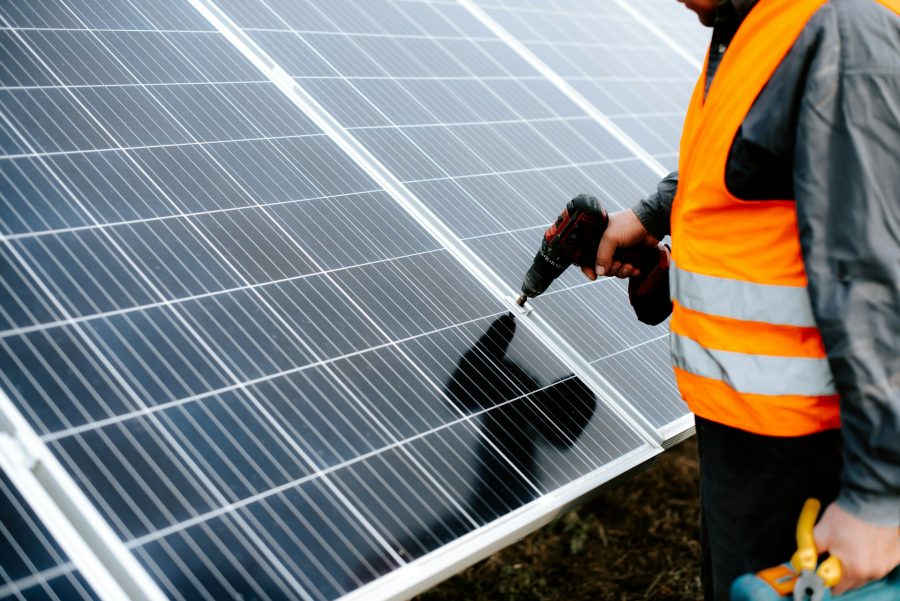
Solar energy has become widely used mainly because the technology has become more accessible. Installation is relatively simple compared to other systems. Panels are usually mounted on rooftops or open land areas. Maintenance requirements are minimal, which is good news for owners.
Modern solar systems are typically equipped with inverters and smart meters. These devices automatically track electricity production and transmit the data used for payment calculations. Everything runs quietly in the background. Pretty convenient, right?
Key Benefits of Participation
Participation in feed-in tariff programs is not only about earning money. Several strategic advantages are also gained by property owners and businesses.
Some major benefits include:
- A long-term additional income stream can be created.
- Electricity expenses can be reduced through self-consumption.
- Protection from increasing energy prices can be achieved.
- Property value may be increased.
- Environmental sustainability is supported through lower carbon emissions.
When these benefits are combined, the opportunity becomes attractive for many homeowners and entrepreneurs. Saving money while helping the environment — who wouldn’t like that?
Financial Model and Payback Period
Before installation is carried out, the potential return on investment should be estimated carefully. Several factors must be considered, including the system cost, expected energy output, sunlight conditions, and the tariff rate applied.
On average, a payback period of about eight to twelve years is often expected. After this period, the system continues generating electricity and income. That means profits can still be received long after the initial cost has been recovered. Not bad at all.
Solar panels generally have a lifespan of around 20–25 years, sometimes even longer. Because of this long lifespan, the system continues to provide financial benefit even after it has paid for itself.
Savings are also achieved by reducing electricity purchases from the grid. If a household consumes large amounts of energy during daylight hours, when solar panels produce the most power, the financial advantage becomes even greater. Energy bills are reduced while payments for generated electricity are still received. That sounds like a win-win situation, doesn’t it?
Technical and Administrative Steps
Several steps must be completed before participation in a feed-in tariff scheme can begin.
First, a property assessment is usually conducted. Roof condition, angle, and shading are analyzed to determine whether installation is suitable. After that, equipment with appropriate capacity is selected.
Installation must be carried out by certified professionals. This is required to ensure that safety and technical standards are properly followed.
Once installation has been completed, the system is connected to the electricity grid and officially registered. From that moment onward, energy production is recorded and payments begin to be issued. Owners often receive reports showing production levels and earnings. Many people monitor this information through digital dashboards. Pretty satisfying to watch those numbers grow.
Although solar systems do not require much maintenance, occasional inspections of inverters and electrical connections are recommended. These checks help maintain efficiency and long-term reliability.
Long-Term Outlook and Market Development
Across the world, decentralized energy generation is becoming a growing trend. Many governments encourage small-scale renewable electricity production. Why? Because it reduces pressure on centralized power plants and supports sustainability goals.
Technological improvements continue to increase efficiency each year. At the same time, equipment costs are slowly decreasing. As a result, renewable energy systems are becoming more accessible to a wider group of property owners.
Even when regulations change slightly, interest in self-generation usually remains strong. Greater energy independence and flexibility are offered through these systems. And honestly, many people like the idea of producing their own power.
Why Consider Participation Now
For many property owners, installing a renewable energy system is seen as a strategic decision. Responsible resource management is combined with a practical financial opportunity.
Projected returns can be calculated in advance, long-term agreements can be signed, and stable payments can be received. Because of this, feed-in tariffs are often considered a reliable financial tool.
With proper planning, several goals can be achieved at the same time. Energy expenses are reduced. Additional income is created. Energy efficiency is improved.
In a world where sustainability is becoming more important every year, this approach is viewed as both financially sensible and forward-thinking. Quite a smart move, wouldn’t you say?
Share It on :