Caldera Spas: A Practical Overview of Design, Performance, and Ownership Considerations
Home wellness has matured as a category. What started as an occasional luxury purchase has become, for many households, a structured lifestyle investment — and Caldera Spas sit firmly in that more considered end of the market. When researching Caldera Spas, buyers aren’t just asking whether they look good. They’re asking whether the system will perform consistently, run efficiently, and genuinely integrate into daily life over the long term.
What Makes Caldera Different
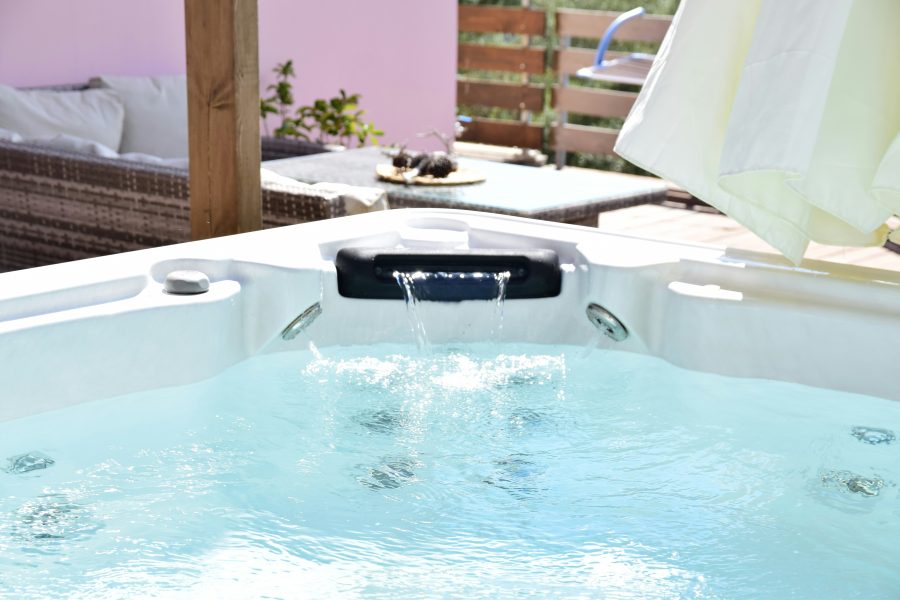
The design philosophy centres on hydrotherapy function rather than visual complexity. Strategically positioned massage jets, ergonomically shaped seating layouts, multi-layer insulation for heat retention, efficient filtration, intuitive digital controls — the focus is on usability and consistent comfort rather than specification lists that sound impressive but don’t translate into daily experience.
Jet placement is deliberate rather than decorative. Back and shoulder zones, foot and leg massage points, adjustable pressure settings, balanced water flow that reduces turbulence fatigue — these reflect a structured approach to water therapy rather than jets positioned wherever space allowed.
How They Fit Into Real Life
Evening relaxation after work. Muscle recovery following exercise. Stress reduction as a genuine routine rather than occasional treat. Social use in private outdoor spaces. Gentle hydrotherapy for general wellbeing. Caldera Spas are typically chosen by users integrating them into daily or weekly schedules rather than pulling them out for special occasions.
That distinction matters. A spa used three or four times a week delivers value in a way that one used three or four times a year doesn’t — and Caldera’s design emphasis on ergonomics and comfort is aimed specifically at encouraging regular rather than occasional use.
Energy Efficiency: Where the Long-Term Costs Are Determined
Running costs are the ongoing reality of spa ownership, and insulation quality is the primary variable. Multi-layer thermal insulation, high-density foam or composite shell construction, insulated covers that actually seal properly, efficient circulation pumps, smart temperature controls — these features reduce monthly energy consumption meaningfully.
The difference between a well-insulated system and a poorly insulated one compounds over years of ownership. A cheaper unit that costs significantly more to run every month can easily exceed the price of a better-specified system over a three to five year period. Energy efficiency isn’t a premium feature — it’s the calculation that determines total cost of ownership.
Installation: Plan Before Purchase
A reinforced, level base capable of supporting full water weight is non-negotiable. The weight of a filled spa is substantial — most standard garden surfaces aren’t designed for it, and getting structural support wrong creates expensive problems.
Electrical connection requires a qualified professional. Dedicated circuits, proper installation — this isn’t optional and isn’t suitable for DIY. Delivery access needs thinking through before purchase rather than on the day. Drainage planning for maintenance cycles and water changes needs consideration. Optional shelter or enclosure significantly improves year-round comfort and extends the usable season.
These requirements aren’t exceptional — they apply to any quality spa installation. Planning for them before purchasing avoids the frustration of discovering them after.
Maintenance: Consistent Rather Than Complicated
Water chemistry needs monitoring and balancing regularly. Filtration systems need cleaning or replacing on schedule. Jets and circulation flow need periodic inspection. Water needs draining and refilling. Cover seals need maintaining to prevent heat loss.
Modern systems reduce manual effort considerably compared to older designs, but consistent care remains necessary. Neglect affects water quality and system performance in ways that reduce both safety and enjoyment. Budget time for maintenance alongside money for running costs — both are ongoing commitments.
The Comfort Design Details
Contoured seating supporting natural posture, varied seat depths for different body types and preferences, non-slip interior surfaces, thoughtful jet positioning for muscle targeting, layouts that work for solo use and groups — Caldera’s design investment in seating ergonomics is one of the clearest differentiators from basic hot tub alternatives.
These details matter more than they initially appear. A spa that’s comfortable to sit in for forty-five minutes gets used regularly. One that feels awkward or inadequately supportive after ten minutes doesn’t.
Integration Into Outdoor Spaces
Caldera Spas work best as part of a considered outdoor environment rather than as standalone installations dropped into unfinished gardens. Decking surrounds for a seamless appearance, pergolas or covered structures for weather protection, ambient lighting for evening use, privacy screening through fencing or planting, landscaping designed around the spa’s position — these choices transform the installation into a genuine outdoor room rather than a garden feature.
The investment in surrounding design consistently improves how frequently the space gets used and how much the spa delivers on its promise of daily wellness integration.
Who Gets the Most From Them
Homeowners prioritising regular relaxation and recovery. Individuals using hydrotherapy to support physical recovery. Couples wanting private wellness space. Families sharing leisure time. Users replacing gym-based recovery routines with at-home alternatives. Each group values different features — jet strength, seating configuration, energy efficiency, footprint — and Caldera’s range is broad enough to suit most of them.
The long-term value of any spa system comes down to usage frequency and maintenance consistency. Caldera Spas are designed for regular integration rather than occasional indulgence — and for households where that matches how they actually live, the investment tends to deliver what it promises.
Share It on :