Türkiye’s Polar Research Puts Energy and Resource Use at Centre of COP31 Preparations
Energy management in one of the world’s most extreme research environments has become the unlikely centrepiece of a new push linking Türkiye’s zero waste programme to London’s international climate network, in a move that carries direct implications for how energy-intensive scientific operations are run in the Arctic and Antarctic.
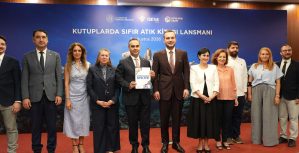
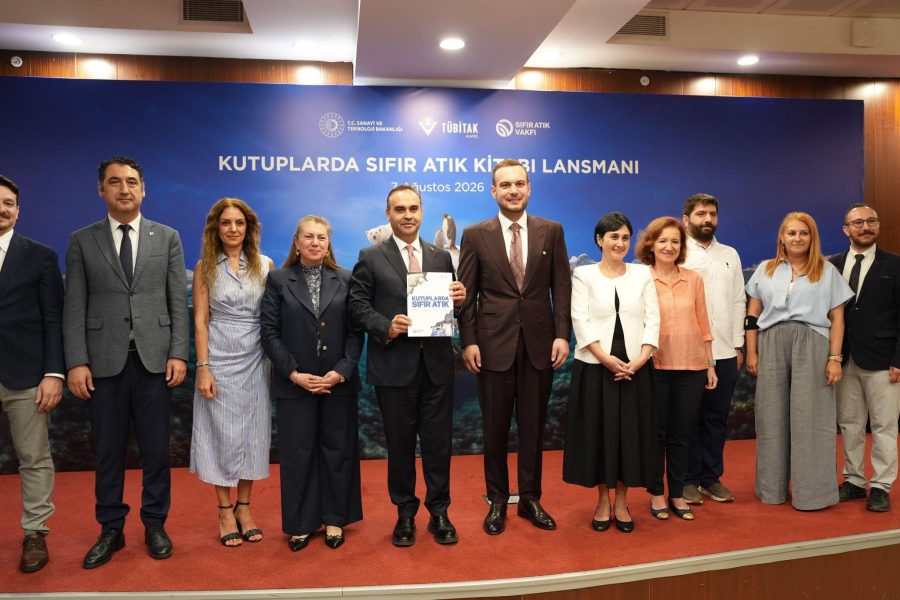
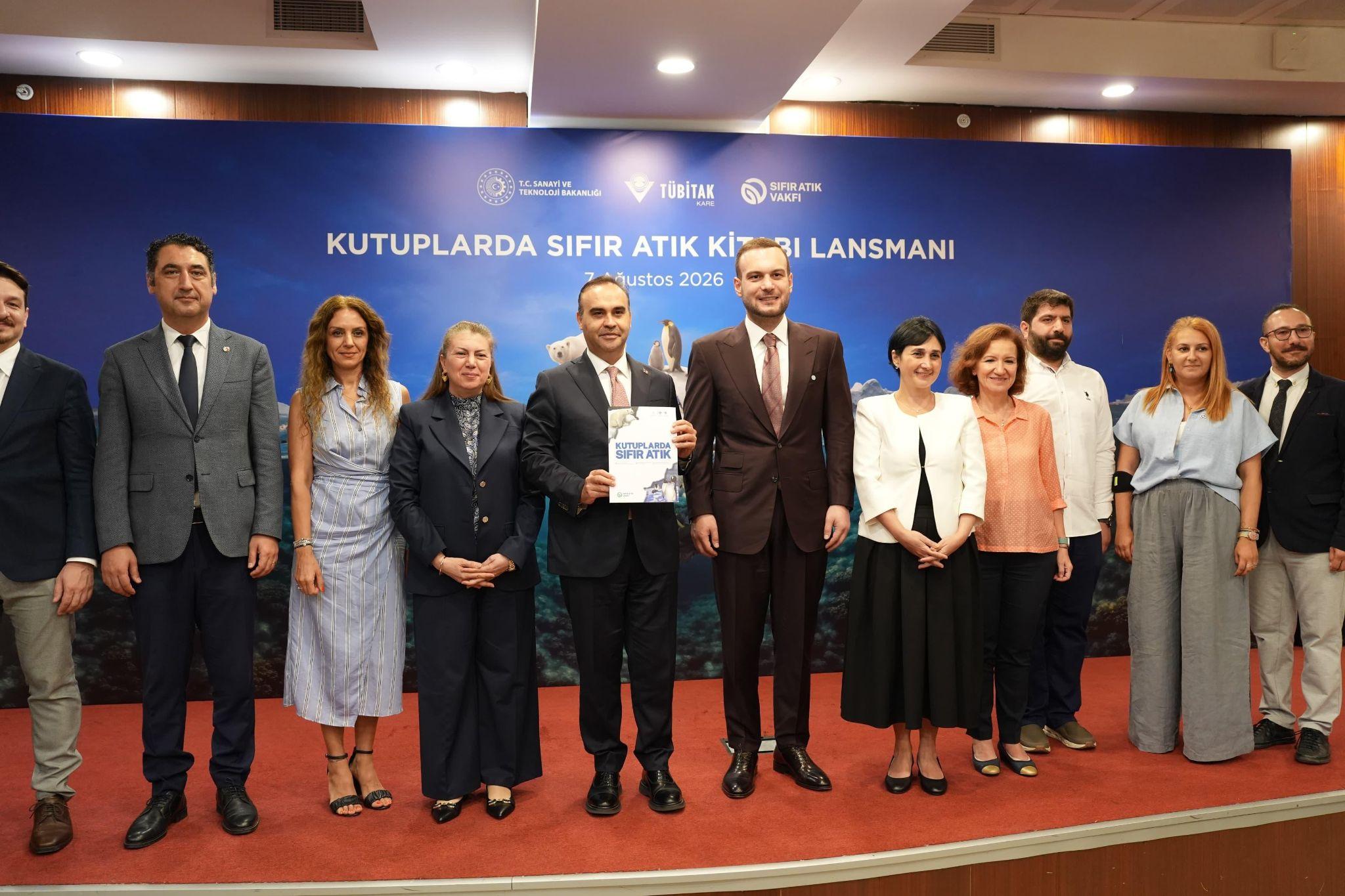
The Zero Waste Foundation has spent August building two connections between Turkish polar science and global climate diplomacy ahead of Türkiye’s hosting of COP31. On 7 August it launched the book “Zero Waste in the Polar Regions”, produced with TÜBİTAK’s Polar Research Institute, the Scientific and Technological Research Council of Türkiye. Ten days later, the Foundation signed a cooperation protocol with London Climate Action Week covering climate action, zero waste and the circular economy. For an energy audience, the more significant of the two developments may be the book itself, which treats energy use, alongside water and logistics, as a core variable in how scientific expeditions are planned and run.
Energy use under scrutiny in Arctic and Antarctic operations
The book draws together 18 articles from scientists who have carried out polar research, covering the scientific, technical, administrative and communication dimensions of applying zero waste principles in the field. Rather than focusing narrowly on waste collection after the fact, the publication examines how expeditions are planned from the outset: how materials and resources are procured and used, and critically, how energy, water and logistics are managed across an entire research operation.
That framing matters because polar expeditions are inherently energy-intensive. Powering research stations, transport and equipment in the Arctic and Antarctic typically depends on fuel supplies that must be shipped or flown in at high cost and with a significant environmental footprint. By treating energy planning as part of the zero waste approach rather than a separate logistical concern, the book positions efficient energy use as a means of reducing waste before it is generated, rather than managing it afterwards.
The publication also frames the polar regions as critical indicators of global climate change, arguing that environmental shifts observed there carry consequences well beyond the Arctic and Antarctic themselves. Mehmet Fatih Kacır, Minister of Industry and Technology of Türkiye, said the book brought together two national initiatives that both began in 2017. “The Zero Waste initiative launched under the leadership of H.E. Emine Erdoğan has grown step by step from a national initiative into a global one,” he added. He said Turkish scientific expeditions to Antarctica and the Arctic, organised under the auspices of the President of the Republic of Türkiye, had allowed Turkish scientists to strengthen the country’s presence in polar research. “At the same time, we began organising scientific expeditions to Antarctica and the Arctic under the auspices of the President of the Republic of Türkiye, enabling Turkish scientists to strengthen the country’s presence in polar research. Through this book, these two initiatives have come together.”
The work also reflects the wider zero waste vision advanced by H.E. Emine Erdoğan, Founder of the Zero Waste Movement, Chair of the UN High-Level Advisory Board on Zero Waste and Honorary President of the Zero Waste Foundation.
Circular economy protocol links Türkiye to London’s climate network
The second development, the protocol signed on 17 August, establishes an institutional partnership between the Zero Waste Foundation and London Climate Action Week aimed at strengthening knowledge exchange, joint initiatives and dialogue on zero waste and the circular economy. For energy stakeholders, the circular economy dimension is significant in its own right: resource efficiency and reduced material throughput have direct knock-on effects for energy demand across supply chains, from manufacturing to transport.
The protocol was signed by Samed Ağırbaş, President of the Zero Waste Foundation and COP31 High-Level Climate Champion, and Climate Action Founder and CEO Nick Henry. “After this cooperation protocol, I hope we will carry out strong work and organize joint events at COP31 and London Climate Action Week,” Ağırbaş said.
London Climate Action Week brings together government, cities, business, finance, academia, civil society and local communities, a mix that includes many of the actors most directly engaged in energy policy and investment decisions. By linking into that network, the Zero Waste Foundation gives Türkiye’s zero waste and circular economy experience, including its energy-efficiency lessons from polar research, a direct channel into London’s climate ecosystem ahead of COP31.
COP31 sets the diplomatic backdrop for energy cooperation
COP31 provides the wider diplomatic context for this cooperation, though the immediate focus remains on practical exchange between the Foundation and the LCAW network. Türkiye’s hosting of the conference gives added weight to initiatives that connect scientific research, resource efficiency and circular economy thinking with international climate action.
For readers tracking energy policy, the combination of the two announcements signals an approach that treats energy management as inseparable from waste reduction and material efficiency, rather than as a separate technical question. The polar research book demonstrates that logic in a controlled, high-cost environment where every unit of energy used has to be justified and accounted for. The London protocol extends the same thinking into a broader international policy setting, ahead of a COP at which Türkiye will occupy the host role.
Neither development reduces zero waste to recycling or waste management alone. Instead, both frame energy, resource use and material efficiency as connected parts of the same challenge, one that is likely to feature prominently in discussions at COP31 and in the run-up to it through venues such as London Climate Action Week.
Share It on :